Buy pokerblog.be ?
We are moving the project
pokerblog.be .
Are you interested in purchasing the domain
pokerblog.be ?
domain@kv-gmbh.de · 0541-91531010
Buy pokerblog.be ?
How can ethyl propyl ether be produced?
Ethyl propyl ether can be produced through the Williamson ether synthesis, which involves the reaction of an alkyl halide with a deprotonated alcohol. In this case, ethyl propyl ether can be produced by reacting propyl alcohol with ethyl iodide in the presence of a strong base, such as sodium hydride. The reaction results in the formation of ethyl propyl ether and sodium iodide as a byproduct. The product can then be isolated and purified through standard organic chemistry techniques. **
In which two isomeric forms does the propyl group occur?
The propyl group occurs in two isomeric forms: n-propyl and isopropyl. In the n-propyl form, the three carbon atoms of the propyl group are arranged in a straight chain. In the isopropyl form, the three carbon atoms are arranged with a branching structure, where one carbon atom is attached to the other two. These two isomeric forms have different chemical properties and reactivities due to their different structural arrangements. **
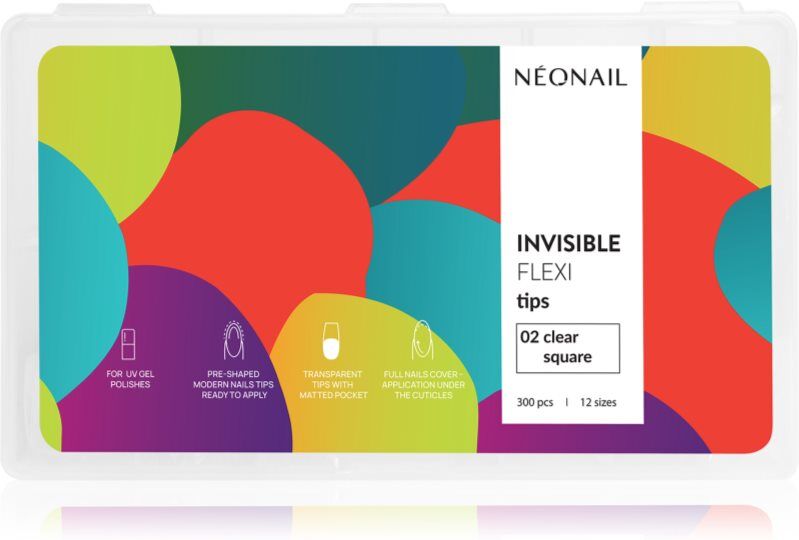
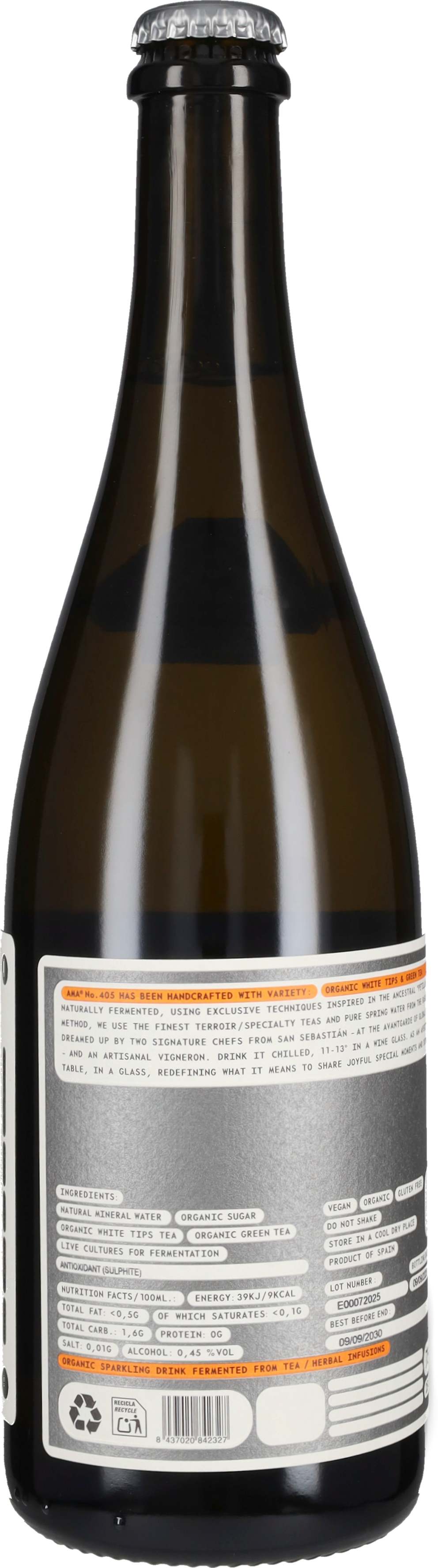
Similar search terms for Propyl
Top-Angebote
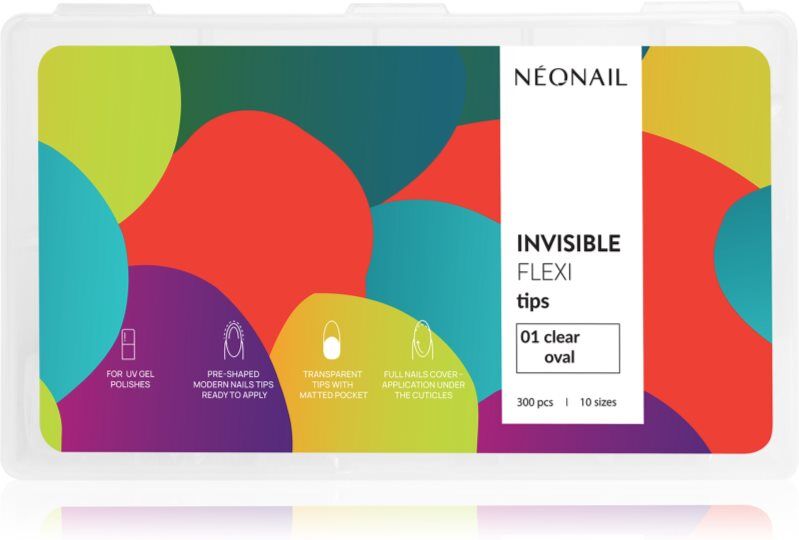
Products related to Propyl:
-
What are alkyl groups and what is a propyl group?
Alkyl groups are a type of hydrocarbon group that consist of carbon and hydrogen atoms. They are derived from alkanes by removing one hydrogen atom, resulting in a group with the general formula CnH2n+1. Alkyl groups are named based on the number of carbon atoms they contain, such as methyl (1 carbon), ethyl (2 carbons), propyl (3 carbons), and so on. A propyl group is an alkyl group that consists of three carbon atoms and seven hydrogen atoms, with the chemical formula C3H7. It is often represented as -CH2CH2CH3, indicating the arrangement of the carbon atoms and their attached hydrogen atoms. The propyl group is commonly found in organic compounds and can participate in various chemical reactions and bonding arrangements. **
-
What is the structural formula of 2-butyl-2-propyl ether?
The structural formula of 2-butyl-2-propyl ether is C7H16O. This compound consists of a butyl group (C4H9) and a propyl group (C3H7) attached to an oxygen atom. The butyl group is attached to the oxygen atom at the second carbon, and the propyl group is attached to the oxygen atom at the second carbon as well. This arrangement gives the compound its name, 2-butyl-2-propyl ether. **
-
What are the differences in the chemical formula of methane, methyl, ethane, ethyl, propane, and propyl?
The chemical formula for methane is CH4, which means it consists of one carbon atom and four hydrogen atoms. Methyl, on the other hand, is CH3, indicating one carbon atom and three hydrogen atoms. Ethane has the formula C2H6, with two carbon atoms and six hydrogen atoms. Ethyl is C2H5, with two carbon atoms and five hydrogen atoms. Propane has the formula C3H8, with three carbon atoms and eight hydrogen atoms. Finally, propyl is C3H7, with three carbon atoms and seven hydrogen atoms. **
-
Do you have tips for a tournament?
Sure! Here are a few tips for a tournament: 1. Practice regularly: Make sure to practice consistently leading up to the tournament to improve your skills and build confidence. 2. Stay focused: During the tournament, stay focused on your game and avoid getting distracted by other players or external factors. 3. Stay positive: Keep a positive mindset, even if things don't go your way. A positive attitude can help you stay motivated and perform better. 4. Learn from each game: Win or lose, take the opportunity to learn from each game and identify areas for improvement. This will help you grow as a player. **
What are the best strategy tips for puzzles?
1. Start by identifying the patterns and connections within the puzzle. Look for any obvious clues or hints that can help you get started. 2. Break the puzzle down into smaller, more manageable sections. Focus on solving one part at a time rather than trying to tackle the entire puzzle at once. 3. Be patient and persistent. Don't get discouraged if you hit a roadblock - take a break and come back to it with fresh eyes. 4. Use trial and error to test different solutions, but also be willing to backtrack and revise your approach if necessary. 5. Finally, don't be afraid to ask for help or seek out hints if you're really stuck. Sometimes a fresh perspective can make all the difference. **
How is "bluff" pronounced?
"Bluff" is pronounced as \ˈbləf\. **
Top-Angebote
Products related to Propyl:
-
How can ethyl propyl ether be produced?
Ethyl propyl ether can be produced through the Williamson ether synthesis, which involves the reaction of an alkyl halide with a deprotonated alcohol. In this case, ethyl propyl ether can be produced by reacting propyl alcohol with ethyl iodide in the presence of a strong base, such as sodium hydride. The reaction results in the formation of ethyl propyl ether and sodium iodide as a byproduct. The product can then be isolated and purified through standard organic chemistry techniques. **
-
In which two isomeric forms does the propyl group occur?
The propyl group occurs in two isomeric forms: n-propyl and isopropyl. In the n-propyl form, the three carbon atoms of the propyl group are arranged in a straight chain. In the isopropyl form, the three carbon atoms are arranged with a branching structure, where one carbon atom is attached to the other two. These two isomeric forms have different chemical properties and reactivities due to their different structural arrangements. **
-
What are alkyl groups and what is a propyl group?
Alkyl groups are a type of hydrocarbon group that consist of carbon and hydrogen atoms. They are derived from alkanes by removing one hydrogen atom, resulting in a group with the general formula CnH2n+1. Alkyl groups are named based on the number of carbon atoms they contain, such as methyl (1 carbon), ethyl (2 carbons), propyl (3 carbons), and so on. A propyl group is an alkyl group that consists of three carbon atoms and seven hydrogen atoms, with the chemical formula C3H7. It is often represented as -CH2CH2CH3, indicating the arrangement of the carbon atoms and their attached hydrogen atoms. The propyl group is commonly found in organic compounds and can participate in various chemical reactions and bonding arrangements. **
-
What is the structural formula of 2-butyl-2-propyl ether?
The structural formula of 2-butyl-2-propyl ether is C7H16O. This compound consists of a butyl group (C4H9) and a propyl group (C3H7) attached to an oxygen atom. The butyl group is attached to the oxygen atom at the second carbon, and the propyl group is attached to the oxygen atom at the second carbon as well. This arrangement gives the compound its name, 2-butyl-2-propyl ether. **
Similar search terms for Propyl
-
What are the differences in the chemical formula of methane, methyl, ethane, ethyl, propane, and propyl?
The chemical formula for methane is CH4, which means it consists of one carbon atom and four hydrogen atoms. Methyl, on the other hand, is CH3, indicating one carbon atom and three hydrogen atoms. Ethane has the formula C2H6, with two carbon atoms and six hydrogen atoms. Ethyl is C2H5, with two carbon atoms and five hydrogen atoms. Propane has the formula C3H8, with three carbon atoms and eight hydrogen atoms. Finally, propyl is C3H7, with three carbon atoms and seven hydrogen atoms. **
-
Do you have tips for a tournament?
Sure! Here are a few tips for a tournament: 1. Practice regularly: Make sure to practice consistently leading up to the tournament to improve your skills and build confidence. 2. Stay focused: During the tournament, stay focused on your game and avoid getting distracted by other players or external factors. 3. Stay positive: Keep a positive mindset, even if things don't go your way. A positive attitude can help you stay motivated and perform better. 4. Learn from each game: Win or lose, take the opportunity to learn from each game and identify areas for improvement. This will help you grow as a player. **
-
What are the best strategy tips for puzzles?
1. Start by identifying the patterns and connections within the puzzle. Look for any obvious clues or hints that can help you get started. 2. Break the puzzle down into smaller, more manageable sections. Focus on solving one part at a time rather than trying to tackle the entire puzzle at once. 3. Be patient and persistent. Don't get discouraged if you hit a roadblock - take a break and come back to it with fresh eyes. 4. Use trial and error to test different solutions, but also be willing to backtrack and revise your approach if necessary. 5. Finally, don't be afraid to ask for help or seek out hints if you're really stuck. Sometimes a fresh perspective can make all the difference. **
-
How is "bluff" pronounced?
"Bluff" is pronounced as \ˈbləf\. **
* All prices are inclusive of VAT and, if applicable, plus shipping costs. The offer information is based on the details provided by the respective shop and is updated through automated processes. Real-time updates do not occur, so deviations can occur in individual cases. ** Note: Parts of this content were created by AI.